
Find the Best Auto Window Tint Near Me: A Comprehensive Guide
Understanding Auto Window Tinting
What is Auto Window Tinting?
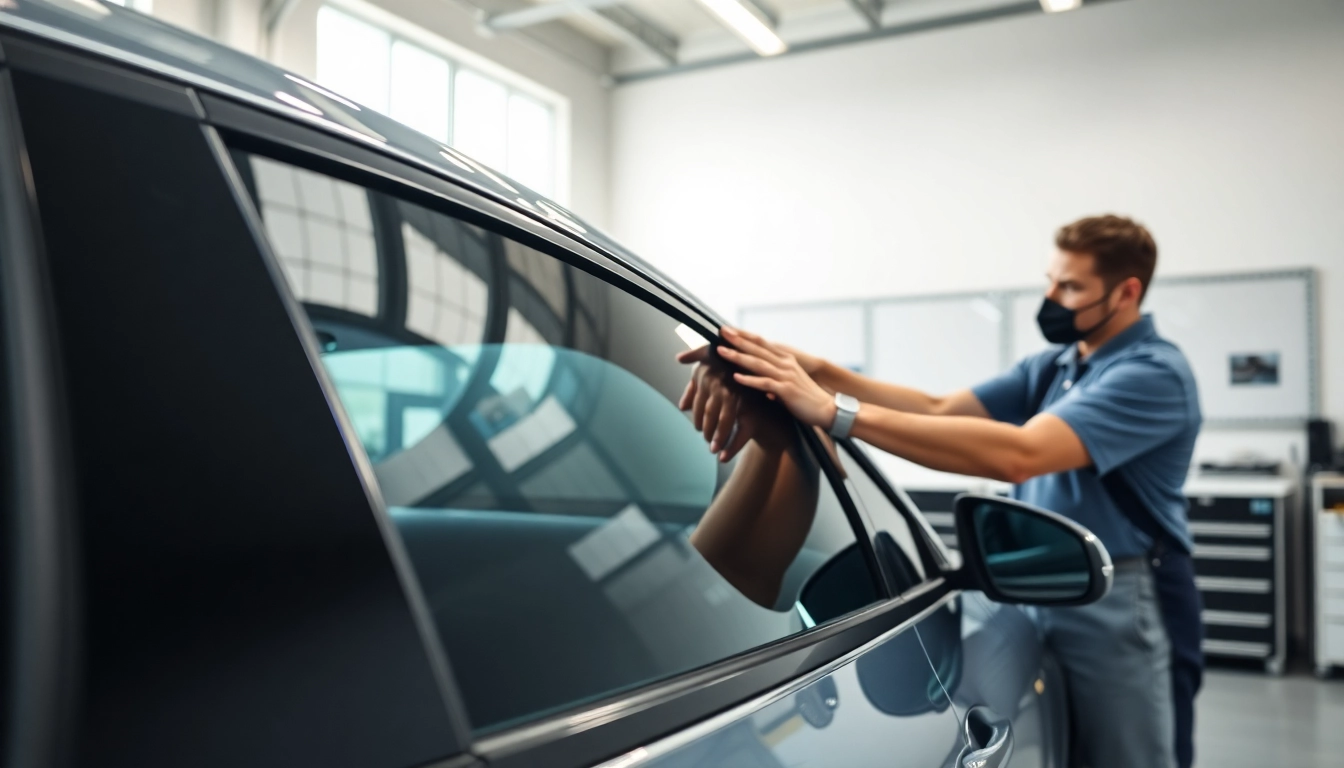
Auto window tinting refers to the application of specialized films on vehicle windows to reduce sunlight exposure, increase privacy, and enhance comfort. These films come in various shades and compositions, designed to adhere to glass surfaces seamlessly. The primary purpose of auto window tinting is to block harmful UV rays while maintaining visibility for the driver and passengers. With technological advancements, modern tinting films are equipped with heat rejection properties, thereby improving a vehicle’s energy efficiency.
Benefits of Auto Window Tint
The advantages of auto window tinting extend beyond mere aesthetics. Here are some of the key benefits:
- UV Protection: Most window tints filter out more than 99% of harmful ultraviolet rays, helping to protect skin from sun damage.
- Heat Rejection: Tinted windows significantly decrease the temperature inside a vehicle, making rides more comfortable during hot weather.
- Glare Reduction: Tints reduce glare from sunlight and headlights, thus improving visibility and driving safety.
- Privacy and Security: Tints provide privacy by obscuring the interior from outside view, which can deter theft and vandalism.
- Interior Preservation: By blocking UV rays, tinting helps prevent fading and deterioration of upholstery over time.
Types of Window Tint Films
There are several types of window tint films available, each with distinct characteristics and benefits:
- Dyed Window Film: This film uses dyes to achieve its color and shade. It’s cost-effective but offers less heat rejection compared to others.
- Metalized Window Film: Metal particles are incorporated into the film, giving it a shiny appearance and superior heat rejection properties.
- Carbon Window Film: This film provides high UV protection, glare reduction, and is known for its durability without a mirrored look.
- Ceramic Window Film: A high-performance option, ceramic films block heat and UV without interfering with electronic signals, ideal for modern vehicles.
- Hybrid Films: Combining elements of dyed and metalized films, hybrids offer a balance between price and performance.
Finding Auto Window Tint Near Me
Tips for Locating Local Services
When searching for auto window tint near me, several tips can enhance your results:
- Use Online Maps: Utilizing platforms like Google Maps can help identify nearby tinting services visually.
- Search Engines: A quick search for ‘auto window tinting’ combined with your location can yield multiple results.
- Social Media Groups: Local community groups on platforms such as Facebook can provide recommendations.
- Look for Local Listings: Websites like Yelp or Angie’s List often provide customer reviews and ratings for local businesses.
Evaluating Customer Reviews
Before choosing an auto window tinting service, evaluating customer reviews can provide valuable insights. Look for:
- Quality of Work: Positive feedback regarding the tint’s durability and appearance can indicate a proficient service.
- Customer Service: Reviews mentioning staff professionalism and responsiveness are essential for a smooth experience.
- Aftercare Support: Services that offer support after installation tend to have a higher satisfaction rate.
Asking for Recommendations
Word-of-mouth referrals remain one of the most reliable methods for finding quality service. Ask friends, family, or coworkers if they have had recent experiences with local tinting services. Inquire about their satisfaction with the installation process and whether they would recommend the provider.
Choosing the Right Tint for Your Vehicle
Factors to Consider When Tinting
Selecting the right tint for your vehicle involves considering several factors:
- Local Climate: In hotter regions, opt for films with high heat rejection and UV protection.
- State Regulations: Different regions have specific laws regarding tint darkness and reflective properties; be familiar with local regulations before selecting a film.
- Usage Needs: Assess whether you prioritize privacy, aesthetics, or temperature control to choose a film that meets your requirements.
Legal Considerations in Your Area
When deciding on the window tint, it is crucial to understand the legal standards set by your state. Most regions have laws regarding the allowable levels of tint darkness and reflectivity on various windows, including front windows and windshields. Research these regulations to avoid legal issues, as violations can lead to fines and the necessity of removing the tint.
Comparing Tint Film Options
Not all window films are created equal. Here is how to effectively compare different options:
- Quality vs. Price: Low-cost films may require frequent replacements or lead to quick fading. Consider investing in higher quality options for long-term benefits.
- Warranty: Reputable tinting services will offer warranties on both the film and installation, providing assurance against defects and improper application.
- Brand Reputation: Research brands known for durability and effectiveness, as reputable names often carry a higher credibility.
Installation Process for Auto Tint
What to Expect During Installation
The installation of window tinting typically involves several stages. Here’s what to expect:
- Preparation: The technician will clean the windows thoroughly to ensure proper adhesion.
- Film Measurement: The appropriate amount of film will be measured and cut according to the window’s dimensions.
- Application: The film will be carefully applied to each window, utilizing specialized tools to smooth out bubbles and creases.
- Curing: After installation, the film needs time to cure. Avoid rolling down windows for at least a few days.
Post-Installation Care Tips
Proper care after tint installation is vital for longevity. Here are some tips:
- Avoid rolling down your windows for at least 3-5 days to allow the film to adhere properly.
- Clean the windows with a soft, non-abrasive cloth and a mild cleaner that doesn’t contain ammonia.
- Do not use sharp objects near the tinted surface, as they can cause scratches or peels.
Signs of Poor Installation
Recognizing signs of poor installation can save you from costly reapplications:
- Bubbles or wrinkles in the film indicate a lack of proper application.
- Peeling edges can suggest that the film was improperly cut or applied.
- Discoloration or fading within a short time frame can signal poor quality materials.
Cost of Auto Window Tint Services
Budgeting for Tint Installation
Understanding the overall costs associated with auto window tinting is essential for effective budgeting. Basic estimates often encompass both materials and labor. Expect to allocate an adequate budget that aligns with the quality and type of tint selected.
Average Price Ranges
While pricing varies by locations and providers, the average cost for automotive window tinting usually ranges from $100 to $400. Factors affecting this cost include:
- Type of film chosen (basic vs. premium).
- Number of windows tinted.
- The size of the vehicle.
- Regional labor rates.
Hidden Costs and Considerations
Be mindful of additional costs that may not be included in initial quotes:
- Removal of old tint, if applicable, may incur extra costs.
- Taxes and environmental fees can affect final pricing.
- Additional charges for premium tint features, such as ceramic options.
Frequently Asked Questions
How long does it take to install window tint?
Installation typically ranges from 2 to 4 hours, depending on the number of windows and type of tint selected.
Is window tinting permanent?
While window tint is designed to last long, it may need replacement due to wear, damage, or peeling over time.
Can I install window tint myself?
While DIY options exist, professional installation is recommended for best results, as improper application can lead to issues.
Will window tint affect my vehicle warranty?
Typically, window tint does not affect manufacturer warranties, but it’s advisable to check terms to be sure.
Are darker tints safer?
Darker tints can provide more privacy and glare reduction, but they may also reduce visibility in low light conditions, which may be less safe.