
Hitclub: 7 Essential Strategies for Successful Youth Baseball Training in 2026
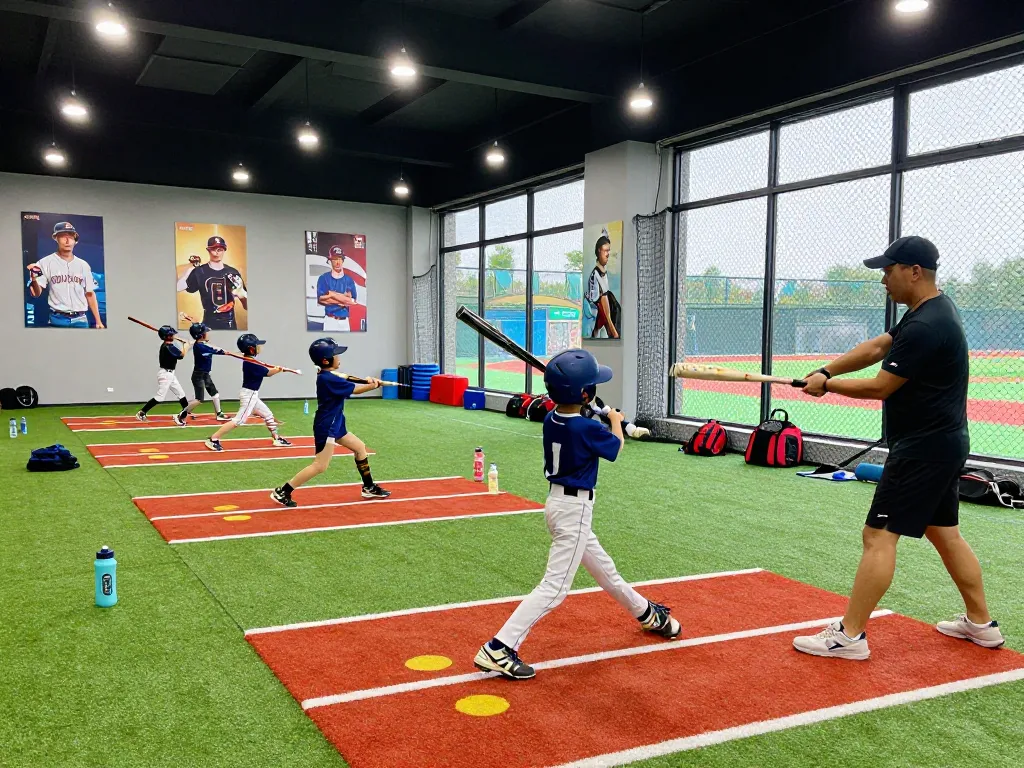
The Importance of Structured Training in Hitclub Programs
Structured training is essential for developing young athletes in baseball and softball, ensuring they acquire the foundational skills needed for success. Programs like hitclub focus on personalized instruction that caters to the unique needs of each player. With the right training philosophy, young athletes can improve their techniques, enhance their physical fitness, and develop the mental resilience required for competitive sports.
Understanding Training Needs for Young Athletes
Young athletes come with varying skill levels, motivations, and physical capabilities. Recognizing these differences is crucial in tailoring training programs that effectively address their specific needs. Programs should assess players not just on their athletic abilities but also consider psychological aspects such as confidence and motivation. Comprehensive needs assessments can help coaches design training sessions that maximize each athlete’s potential and foster a love for the game.
Common Misconceptions About Youth Baseball Training
Many parents and coaches hold misconceptions about youth baseball training. For instance, some believe that rigorous training sessions are the key to success, while others think that only natural talent matters. In reality, a balanced approach that combines skill development, fitness training, and mental exercises proves most effective. Additionally, misconceptions such as the need for constant competition can undermine the importance of practice and skill refinement, leading to burnout among young players.
Best Practices for Creating a Training Schedule
When developing a training schedule for youth baseball players, it’s essential to incorporate various elements. Here are best practices that can enhance training outcomes:
- Include Skill Drills: Focus on fundamental skills such as hitting, pitching, and fielding in each session.
- Plan for Rest Days: Allow time for recovery to prevent injuries and burnout.
- Encourage Variety: Integrate different types of drills to keep training sessions engaging and fun.
- Monitor Progress: Regularly assess player performance and adjust the training schedule based on development.
Key Skills Developed in Hitclub Training Sessions
The primary goal of hitclub training is to equip young athletes with essential skills that not only improve their game but also enhance their overall athleticism. These skills fall into three main categories: technical abilities, physical conditioning, and mental fortitude.
Fundamental Baseball Techniques: Hitting and Pitching
The backbone of any successful baseball program lies in mastering the fundamental techniques of hitting and pitching. Hitclub emphasizes skill development through repetition, ensuring that athletes learn correct mechanics. Coaches provide individualized feedback to help athletes refine their swings and pitching techniques, focusing on aspects such as foot placement, body alignment, and follow-through.
Enhancing Physical Fitness in Young Players
Physical fitness is paramount in baseball, impacting performance and reducing the likelihood of injuries. Training at hitclub integrates strength and conditioning exercises tailored to the developmental stage of each athlete. These exercises not only boost overall athletic performance but also instill habits of physical fitness that last a lifetime.
Developing Mental Toughness Through Competitive Play
Baseball is as much a mental game as it is a physical one. At hitclub, emphasis is placed on building mental resilience through competitive play. By participating in scrimmages and tournaments, young athletes learn to cope with pressure, adapt to unexpected situations, and maintain focus. Mental toughness training prepares athletes for the challenges they’ll face on and off the field.
Equipment and Facility Requirements for Hitclub Success
Success in youth baseball training is supported by the right equipment and facilities. Having access to quality gear and well-maintained training environments is crucial for fostering player development.
Essential Training Gear: Bats, Balls, and Safety Equipment
Investing in the right training gear can significantly impact the development of young athletes. Essential items include:
- Bats: Selecting the appropriate bat size and weight is vital for developing proper hitting techniques.
- Baseballs: High-quality balls are necessary for consistent practice and game play.
- Protective Gear: Equipment such as helmets and pads helps ensure player safety during training sessions.
Creating an Effective Training Environment
Facilities like those at hitclub should be designed to foster optimal learning. This includes indoor batting cages equipped with pitching machines, spacious fields for practice, and areas designated for strength training. An organized training environment allows coaches to implement their programs efficiently while providing athletes with all the resources they need to thrive.
Technology Integration: Analyzing Performance with Tools
Modern training regimens increasingly incorporate technology to analyze player performance. Tools such as swing analyzers, video feedback, and health trackers provide coaches and players with valuable insights. Implementing these technologies at hitclub enhances training effectiveness, allowing for data-driven adjustments to training regimens.
Measuring Success: Performance Metrics in Hitclub Programs
Measuring success in youth baseball involves tracking various performance metrics to ensure that players are developing effectively. Understanding these metrics can guide training adjustments and help young athletes remain engaged and motivated.
Setting Realistic Goals for Young Athletes
Establishing achievable goals is crucial for maintaining player motivation. Coaches should work with athletes to set specific, measurable, attainable, relevant, and time-bound (SMART) goals. This approach not only encourages progress but also helps athletes stay focused and dedicated to their training.
Evaluating Progress and Adapting Training Approaches
Regular evaluations should be conducted to assess player development. By analyzing performance data, coaches can identify strengths and weaknesses, allowing them to adjust training methods accordingly. This adaptability ensures that each athlete receives personalized attention and support tailored to their evolving needs.
Using Feedback for Continuous Improvement
Feedback is a vital component of any training program. It is important for coaches to provide constructive criticism and celebrate successes, no matter how small. Encouraging open communication between athletes and coaches fosters an environment where players feel comfortable expressing their needs and challenges, driving continuous improvement.
Future Trends in Youth Baseball Training for 2026 and Beyond
As we look toward the future, several trends are poised to shape youth baseball training. Understanding these trends allows coaches, players, and parents to stay ahead in the evolving landscape of sports training.
The Role of Data Analytics in Player Development
Data analytics is becoming an integral part of player development, providing insights into performance patterns and areas for improvement. Coaches who leverage data analytics can identify trends that might otherwise go unnoticed, allowing for targeted interventions that enhance training outcomes.
Embracing Inclusivity and Diversity in Youth Sports
Inclusivity and diversity are critical discussions in today’s sports environment. Programs that emphasize these principles tend to attract a wider range of participants, fostering a more supportive and enriching athletic community. The future of youth baseball training will likely place greater emphasis on accessibility and cultural competence.
Predictions for Training Innovations and Methodologies
As technology advances, we can expect innovative training methodologies to emerge. This includes virtual reality training systems, gamification of skill drills, and personalized training apps. These innovations will enhance engagement and make training more effective for young athletes.
What are the benefits of joining a Hitclub program?
Joining a hitclub program provides numerous benefits, ranging from expert coaching to access to advanced training facilities. Players gain not only technical skills but also lifelong lessons in teamwork, dedication, and resilience.
How does Hitclub address different skill levels?
Hitclub recognizes that athletes come from diverse backgrounds and skills. Programs are tailored to meet individual needs, ensuring that beginners progress at their own pace while advanced players refine their techniques.
What are typical training sessions like at Hitclub?
Training sessions at hitclub combine skill drills, physical conditioning, and competitive play. Each session is designed to be interactive and engaging, ensuring that athletes learn in a supportive environment.
How can parents support their children in Hitclub?
Parents can play a vital role in their children’s development within hitclub programs by providing encouragement and fostering a positive sports environment. Attending games and practices, celebrating achievements, and advocating for their child’s needs can greatly enhance the experience.
What trends are emerging in youth sports training methods?
Emerging trends focus on holistic development, integrating mental conditioning with physical training. Programs are increasingly recognizing the importance of emotional wellbeing in fostering athletic performance, paving the way for more comprehensive training approaches.